
All Teachings
-

Rebels Without a Pause: Diving into the pertinent Laws of Mamreem?
This MishnahWalk session introduces Rambam’s Mishneh Torah, Laws of Mamre (rebellious sages): Supreme Sanhedrin’s authority (Deut 17:8-11), obligation to heed consensus rulings, death penalty only for sage rebellion, differences post-Sanhedrin, strict/lenient in doubt (Torah vs. rabbinic), and practical application today.
-
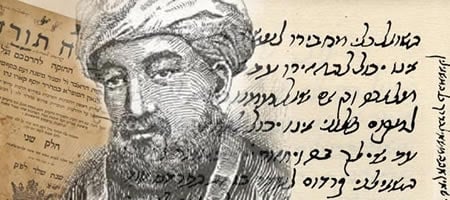
Rambam’s Intro to Mishnah ch3-4
This MishnahWalk session resumes Rambam’s Introduction to his Mishnah commentary (Chapter 3–4): transmission of oral Torah from Moses through Joshua, elders, prophets, Men of the Great Assembly to Yehuda HaNasi; categories of oral law (direct from Moses, derived uncontested, disputed derivations); halakha leMoshe miSinai as undisputed, non-scriptural traditions.
-

Tzniut – Modesty or Privacy, in Jewish religious context
This live stream from MishnahWalk reviews mitzvot 79–92 (e.g., sanctifying/redeeming firstborn animals/sons, temple offerings, burning impure meat, Nazarite hair growth). It discusses modesty (tzniut) in halakha—hair covering norms from Rambam, Shulchan Aruch, Mishna—contrasting source texts, historical practice, local customs, and modern/community pressures, emphasizing balance, compassion, and not confusing obligation with stringency.
-

God despises child sacrifice.
This YouTube video by Leel Aden reinterprets the Akedah (Genesis 22): God never commanded Abraham to sacrifice Isaac but to “elevate” him spiritually (le’olah means elevation, not burnt offering). Abraham misinterpreted due to pagan child-sacrifice norms; God stopped him, proving abhorrence of it. Abraham erred, leading to isolation. Modern parallel: corrupting children’s innocence is metaphorical…
-

Hebrew Unlocked-10-5-25
This live stream from MishnahWalk teaches interactive Biblical Hebrew and Torah observance: reviewing morning praise blessings before Torah study (ideally pre-sunrise, tied to proper Shma/Amidah timing), analyzing the first 13 of 613 mitzvot (e.g., tzitzit, Temple building, post-meal blessing, priestly washing, guarding sanctuary), discussing prayer priorities if timings missed, and practicing Sukkot greetings like “Chag…
-
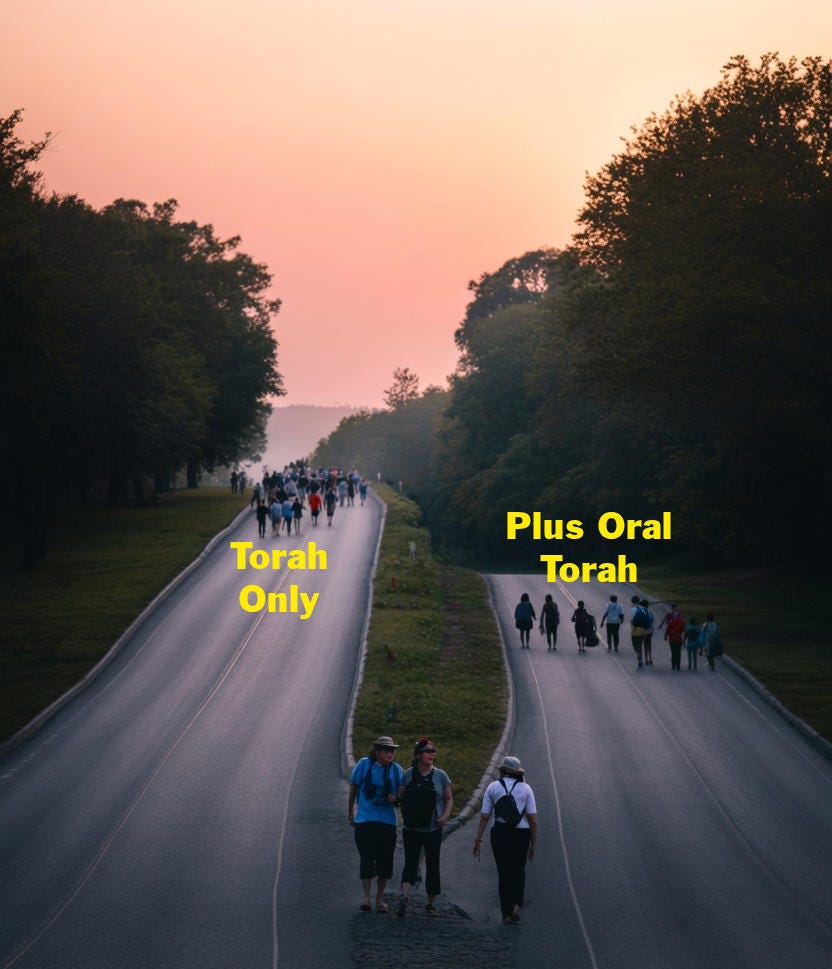
Is the Oral Torah the Wide Road to Destruction?
In Torah Judaism, the Oral Torah is not a path to destruction but a divinely sanctioned framework that enables Jews to fulfill God’s covenant, securing blessings and building a unified community. The Torah and Tanakh establish the Oral Torah’s mandatory role, particularly in resolving disputes over how to obey d’Oreitha (biblical commandments), linking it to…
-
Unveiling The Virgin Prophecy: What the Dead Sea Scrolls’ Hebrew Confirm About Isaiah 7:14
Scholars have long debated whether the Dead Sea Scrolls, the oldest Hebrew manuscripts of the Tanakh, might reshape our understanding of key verses like Isaiah 7:14. Some point to the Septuagint, the Greek translation of Jewish scriptures, claiming its 70 rabbinic translators used a word for “virgin,” suggesting a messianic prophecy. Does the Great Isaiah…
-
Could You Be Part of a 13th Tribe?
What if you, a Gentile who loves Hashem and cherishes His Torah, could stand as an equal heir with Israel, perhaps as part of a “13th tribe”? Many naturally wonder if following Torah, keeping Shabbat, honoring kosher laws, makes gentiles equal partners in Israel’s covenant, maybe even as a distinct group alongside the twelve tribes.…
-
The Prerequisite of Righteousness for an Acceptable Blood Offering in the Jerusalem Temple
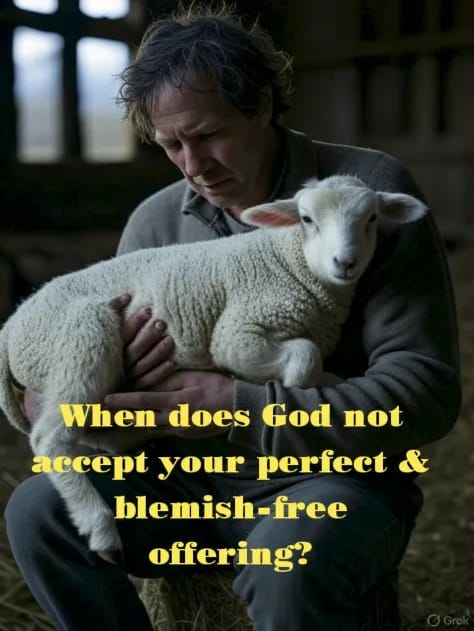
Even an absolutely perfect, spotless lamb, flawless in every way, can be rejected as a blood offering if the offerer is not first righteous. In the Jerusalem Temple, the blood of a sacrifice was the divinely ordained means of atonement (Lev 17:11), but its efficacy depended on the offerer’s prior righteousness, both ritual and moral.…
-
Cannabis and the Temple: A Modern Misconnection
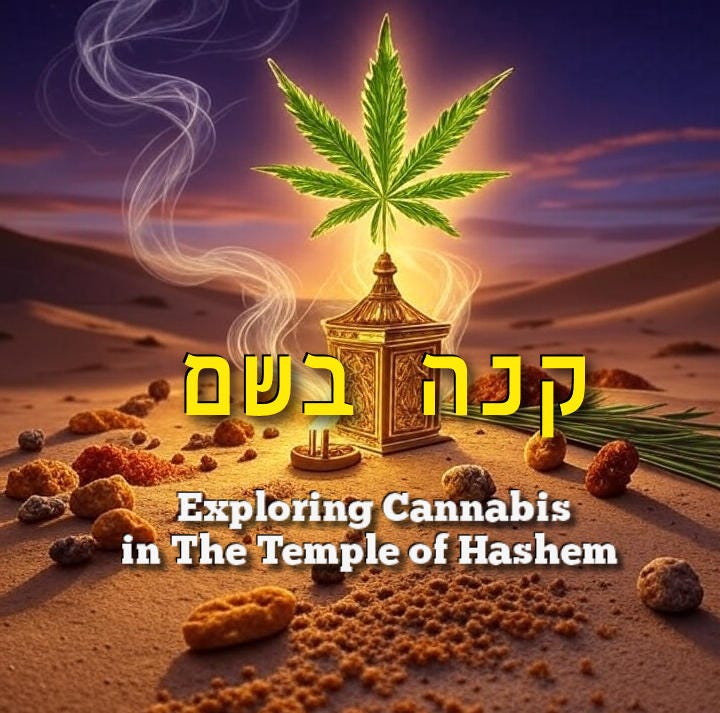
For Torah obedient adherents who enjoy recreational cannabis, the notion that it was an ingredient in the Temple’s Shemen Mishchah (holy anointing oil) or Ketores (incense) can hold a certain allure as a nod from Heaven toward its personal use. Some suggest that keneh bosem, listed in Exodus 30:23 as part of Shemen Mishchah, might…